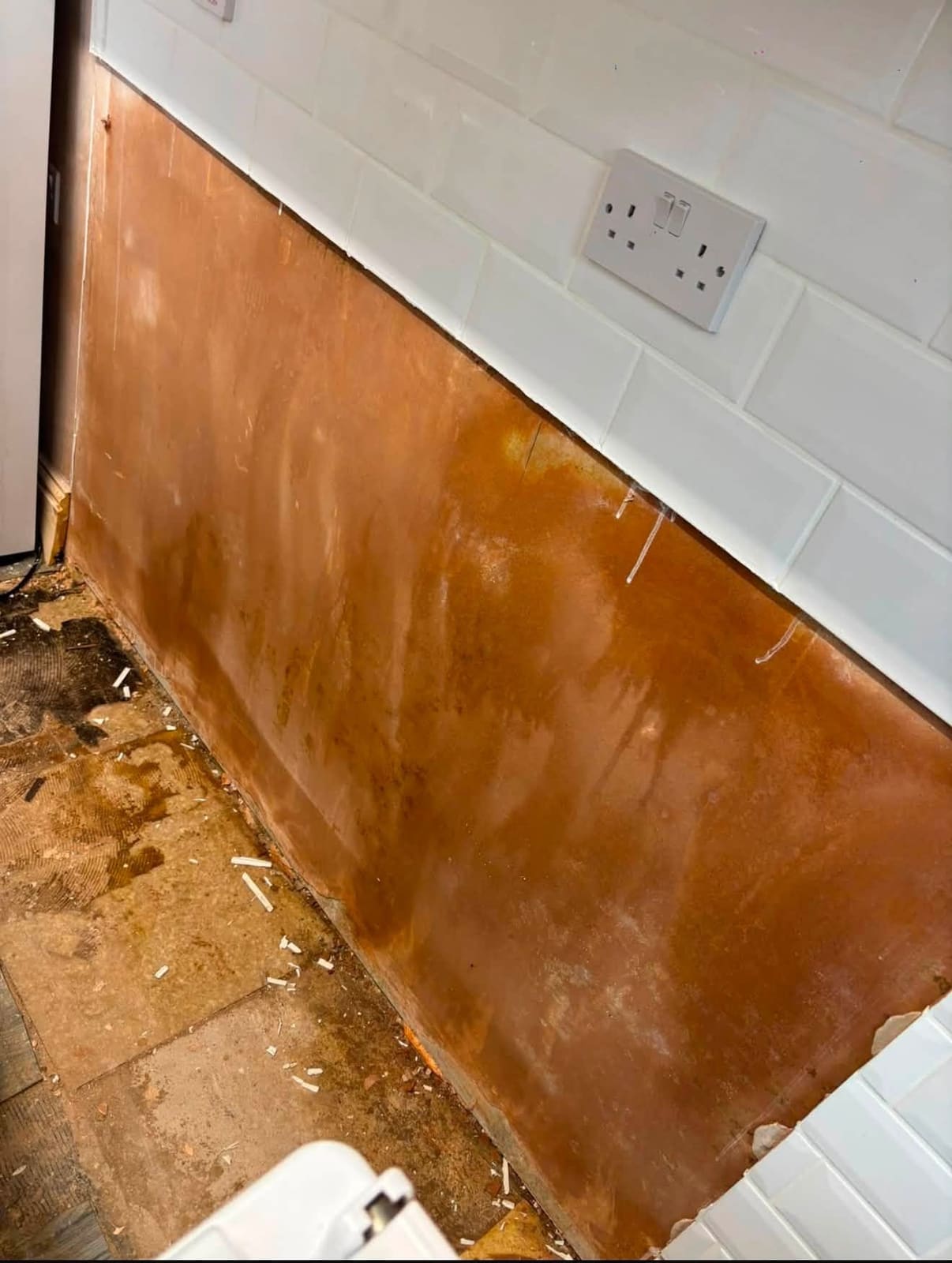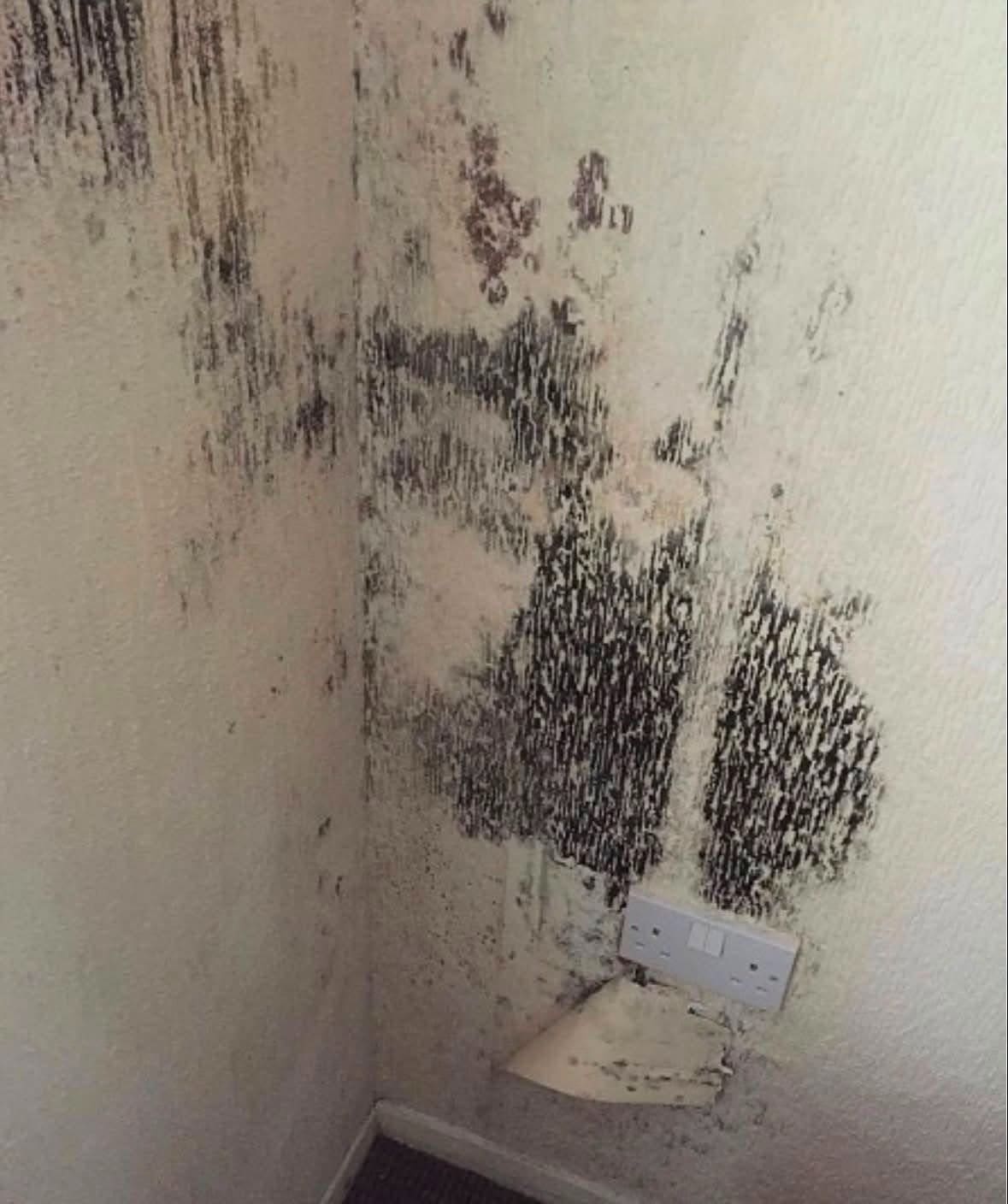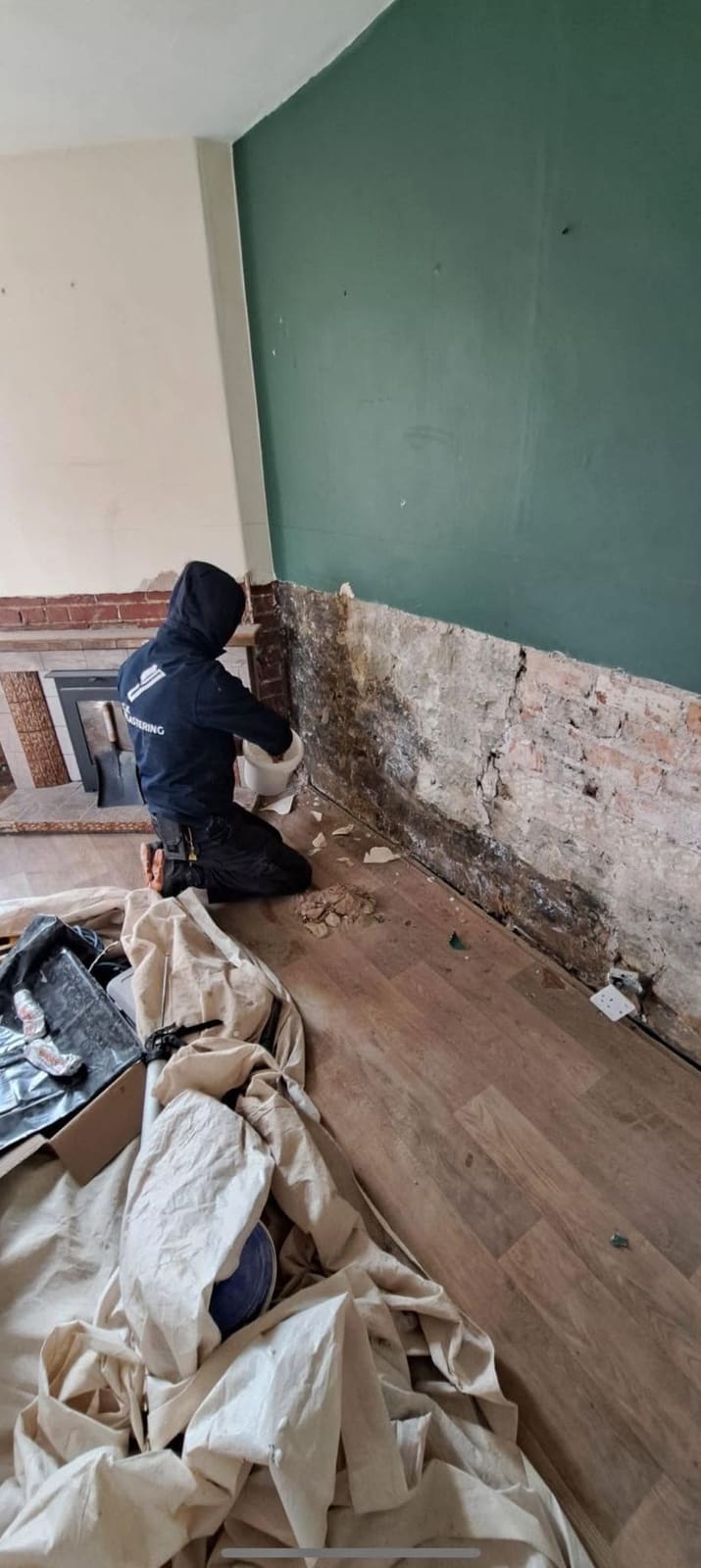
Below-ground walls are wet on the outside all year round. Without a barrier that moisture comes straight through into the cellar and, from there, into the rest of the house. Tanking stops it at the wall.
Where tanking is used
- Cellars and basements in older terraces and townhouses.
- Rooms built into a slope where one wall is against earth.
- Garage conversions with a floor below outside ground level.
- Lower walls in older houses where a damp-proof course cannot be installed and the brickwork is constantly damp.
How it is done
- Strip back. Old plaster, paint and loose render come off to reveal sound brickwork.
- Prepare. Joints are raked and repaired, and the wall-to-floor junction is filleted so there is no weak point.
- Tank. Two or more coats of cementitious tanking slurry are brushed on to form a continuous barrier.
- Render and plaster. A salt-resistant render goes over the tanking, then a plaster finish if the room is being lived in.
Honest advice first
Tanking is a serious job and not every damp cellar needs it. Sometimes better drainage outside, a working air brick or a repointed wall does the job. We survey first and tell you straight what we think it needs.