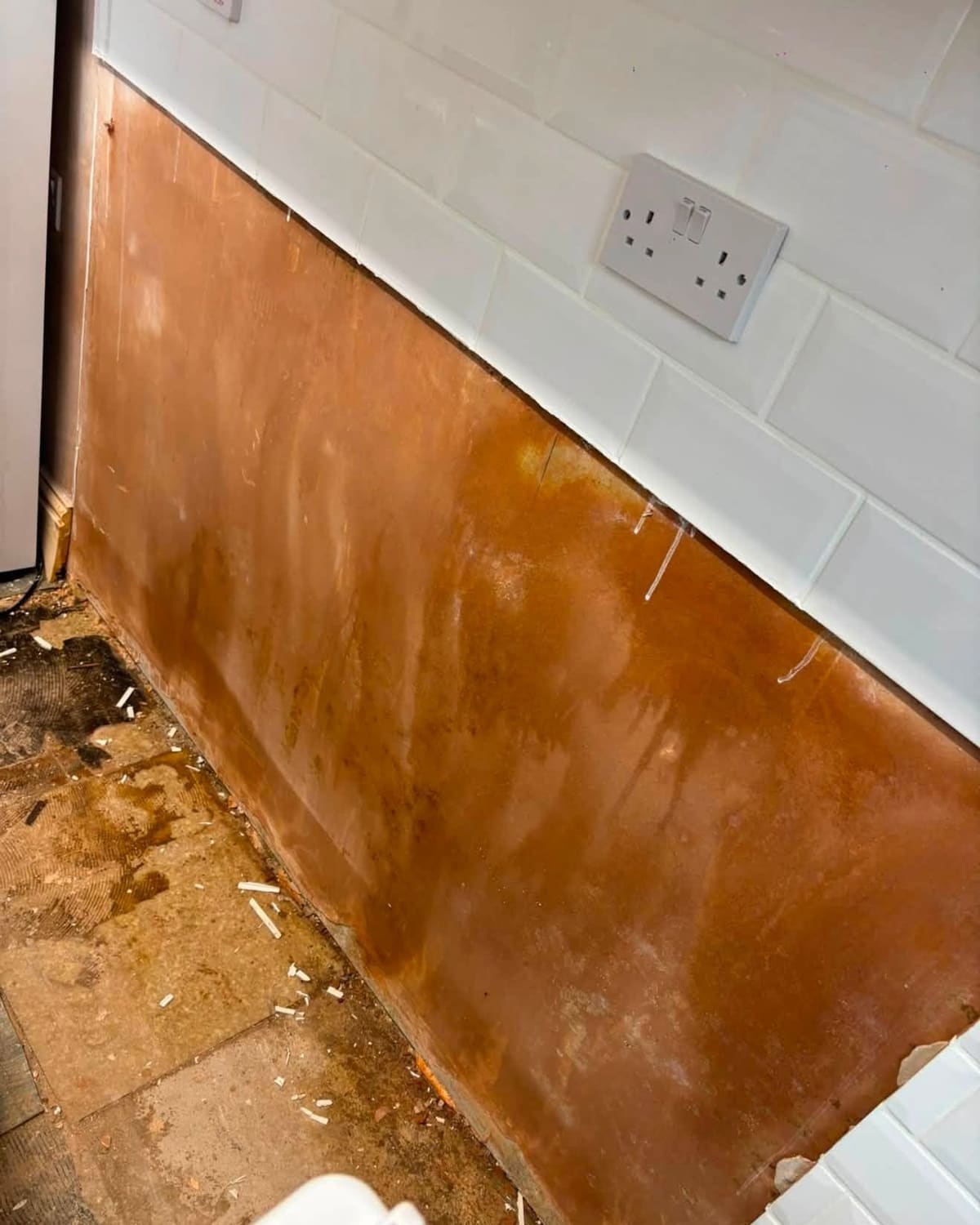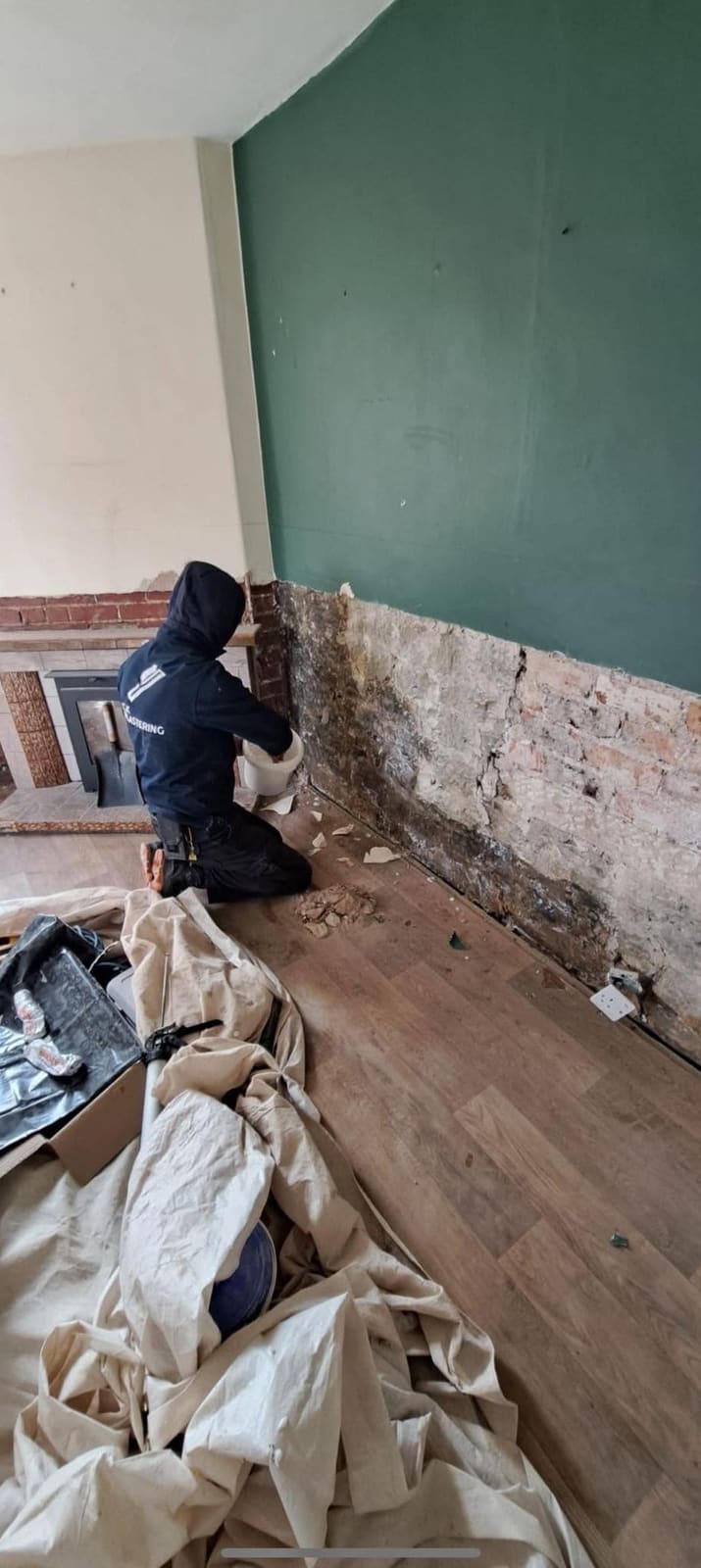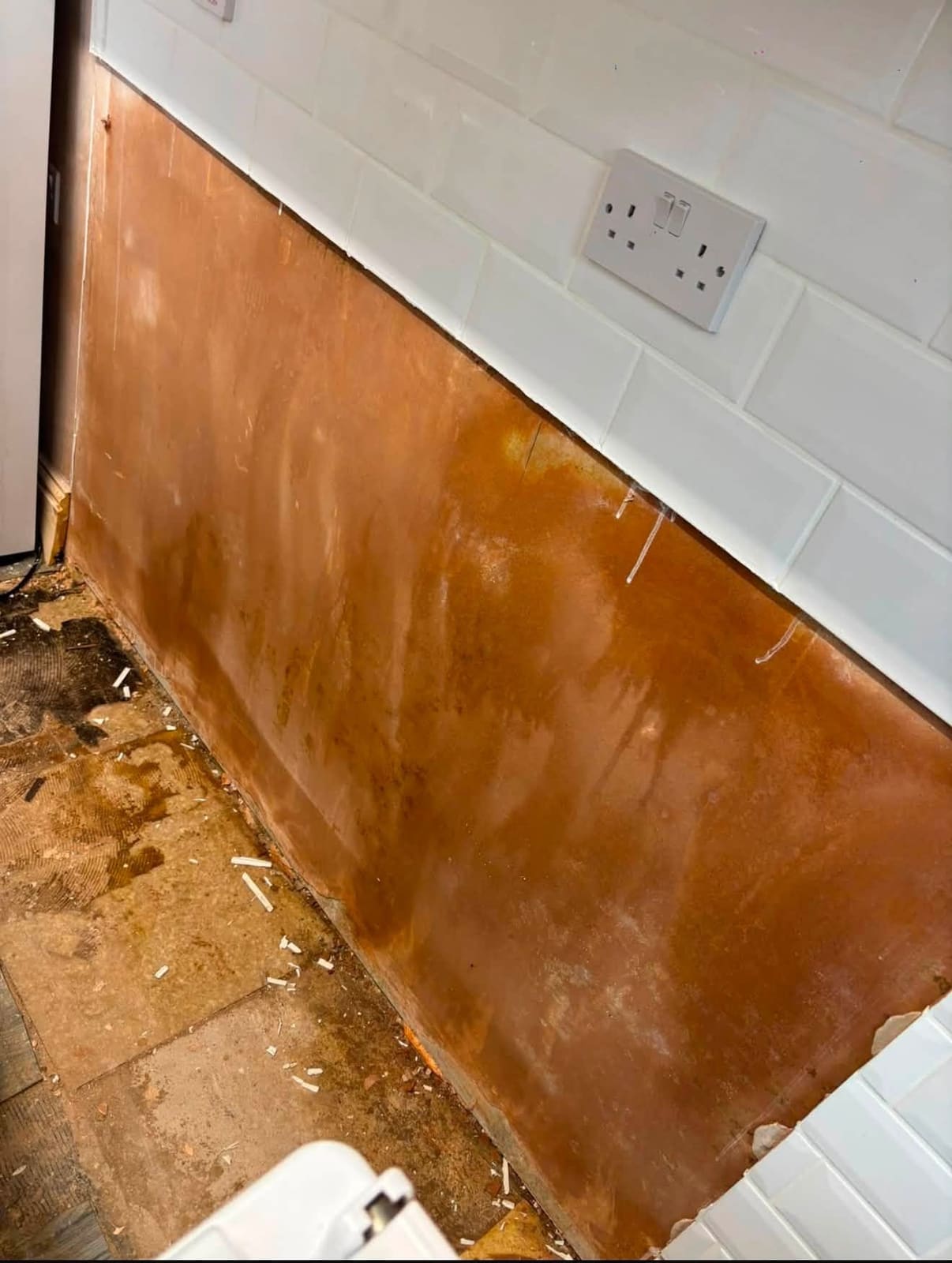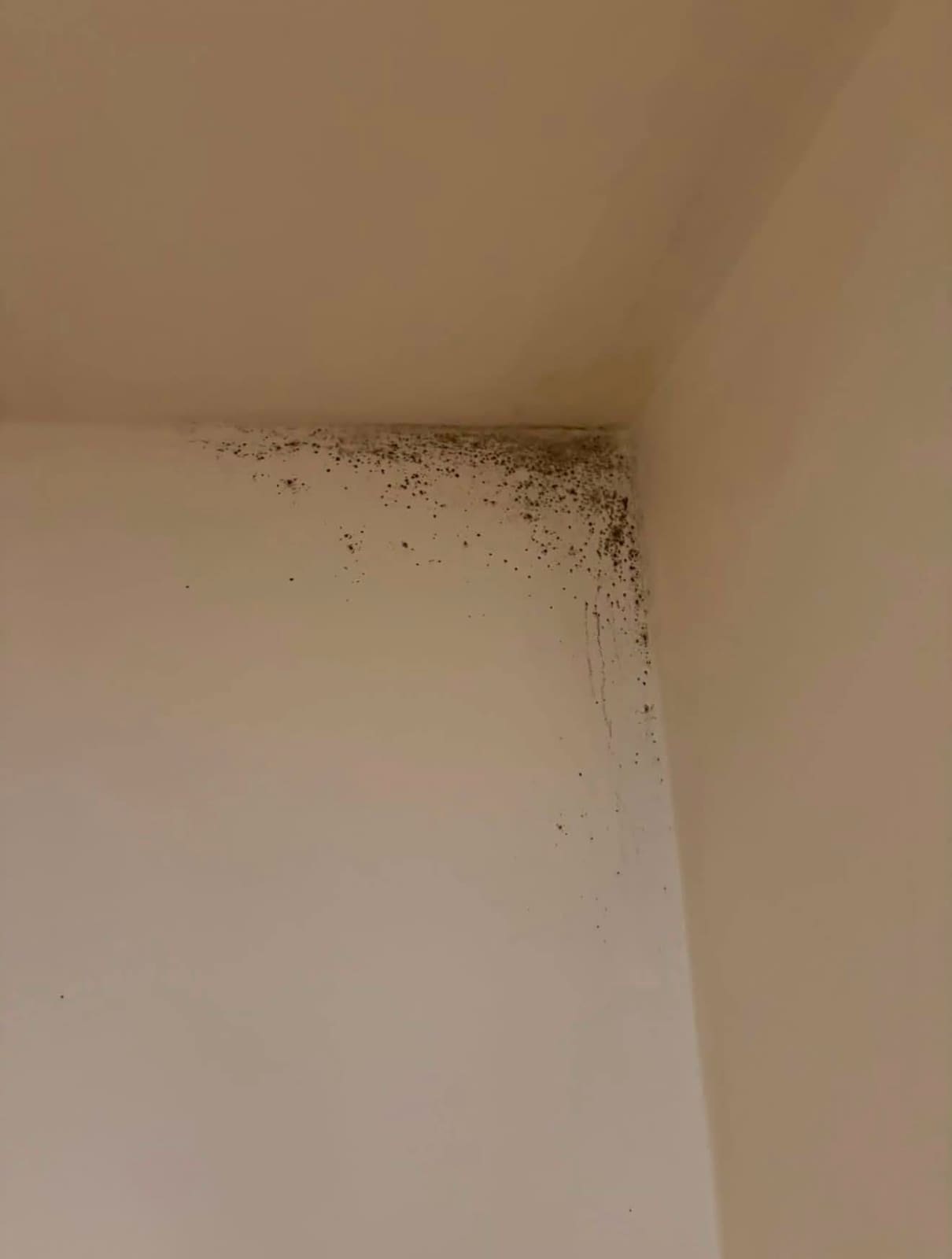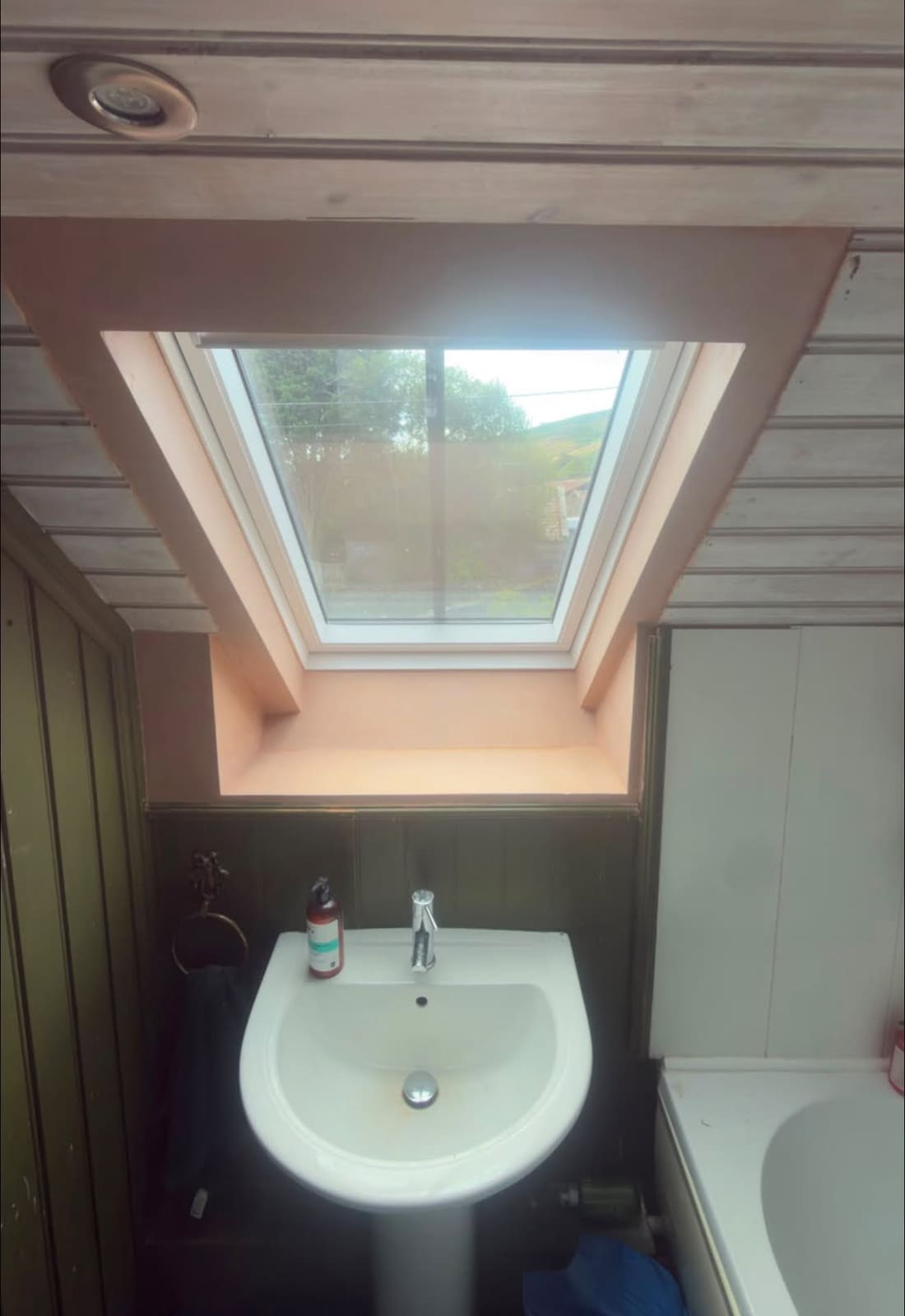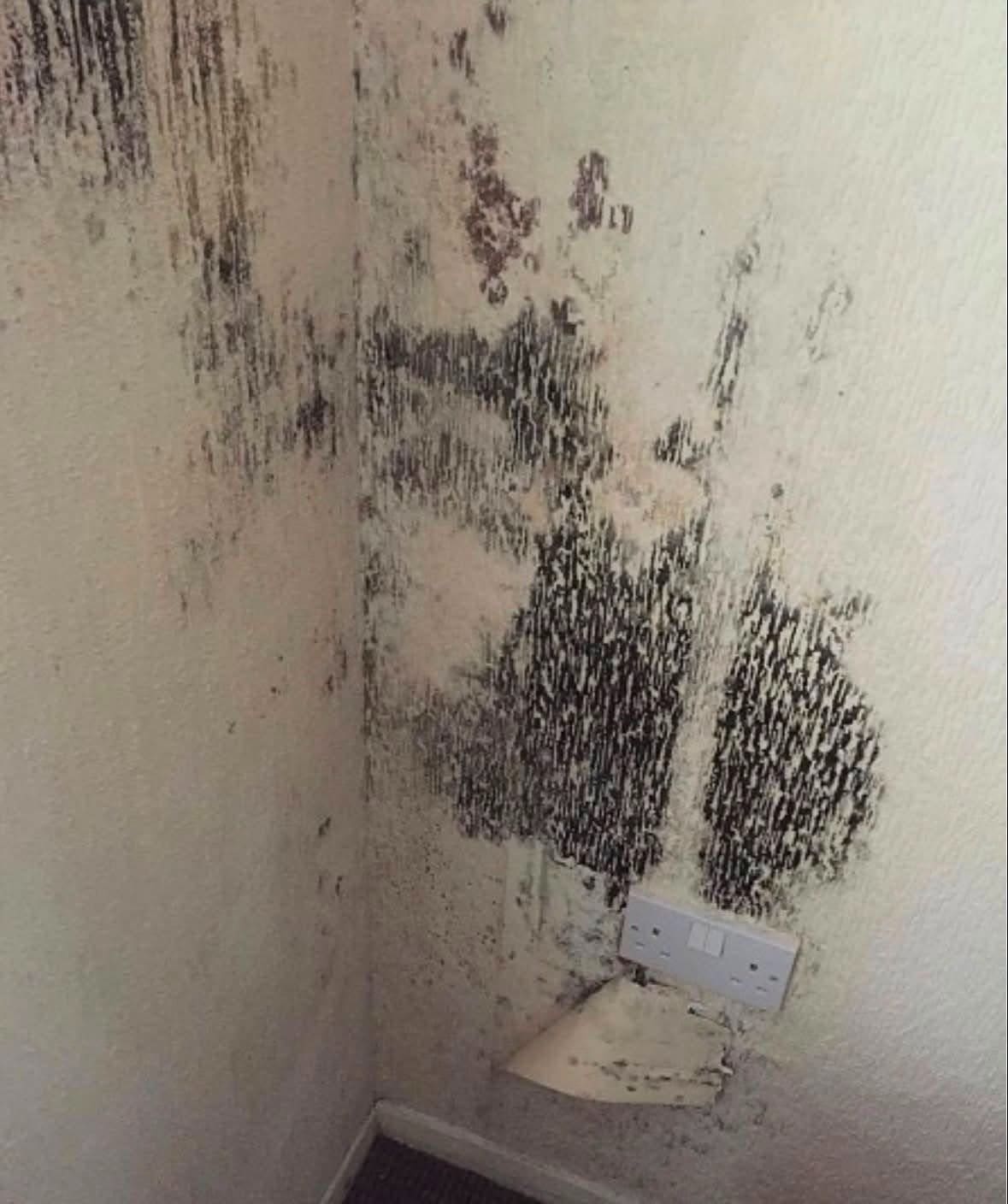
The most common sign that you have a damp problem is the one you have already noticed: tide marks, peeling paint, crumbling plaster, damp patches or a musty smell that does not go away. What those signs cannot tell you is why. That is what a survey is for.
What we look at
- Moisture readings in the affected walls and the ones around them, so we know how far it has spread.
- The outside of the house. Gutters, downpipes, pointing, render, ground levels and the damp-proof course, because most damp starts outside.
- Ventilation and heating. Bathrooms and kitchens without a working extractor, cold corners and rooms behind wardrobes are condensation hot spots.
- The pattern of the damp. Where it is, what shape it is and whether it gets worse after rain tells us a great deal.
What you get
A plain-English explanation of what is causing it and what it needs. If it needs damp proofing, plastering or rendering, you get a written quote, usually there and then. If it is something you can fix yourself, like a blocked gutter or a bathroom that needs an extractor fan, we say so.
When to book one
As the colder, wetter months approach, existing damp problems become more noticeable and harder to manage. If you are seeing the signs, get it looked at before winter sets in. We also survey for people buying a house, landlords with a tenant complaint and anyone who has had damp "fixed" before and watched it come back.