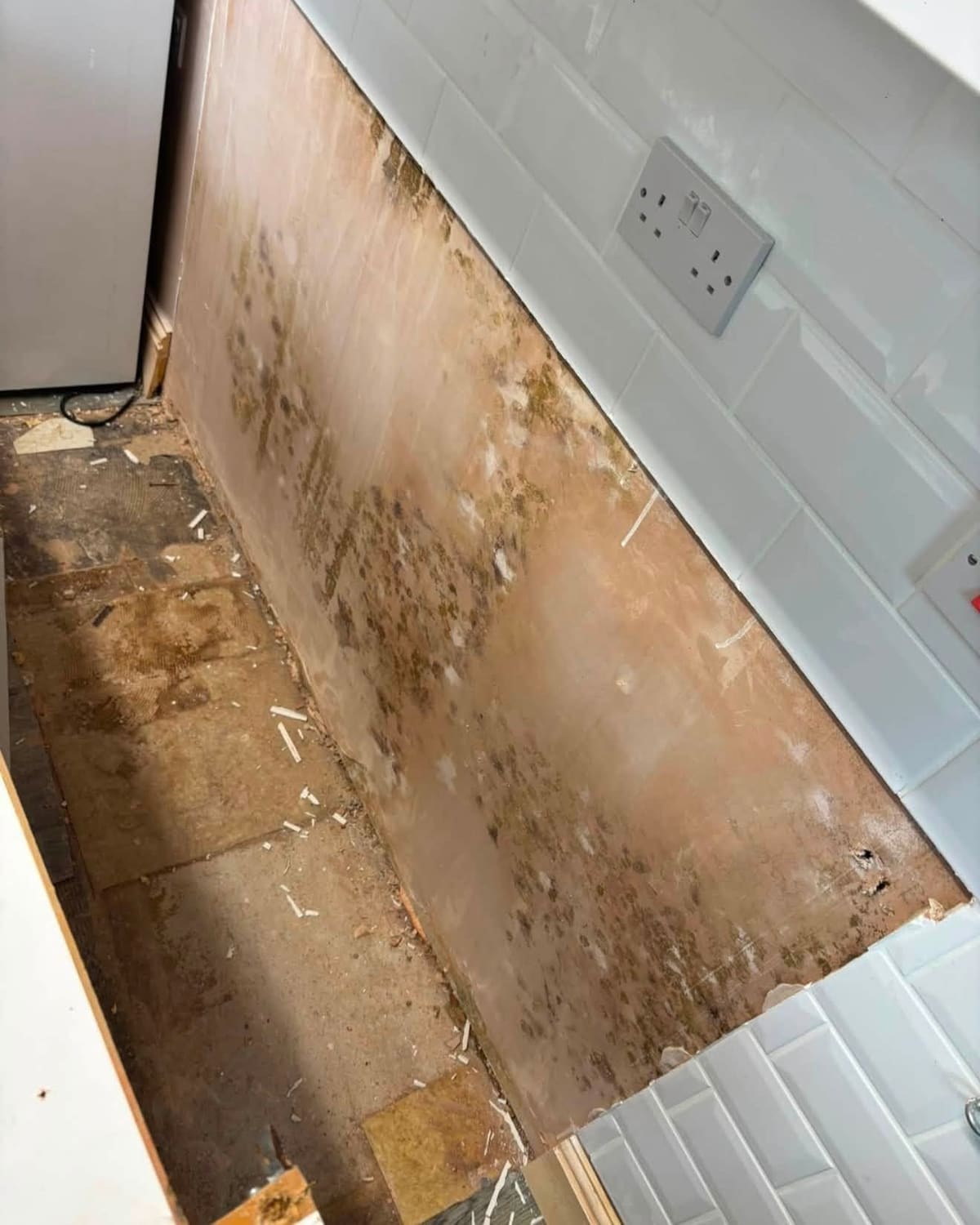
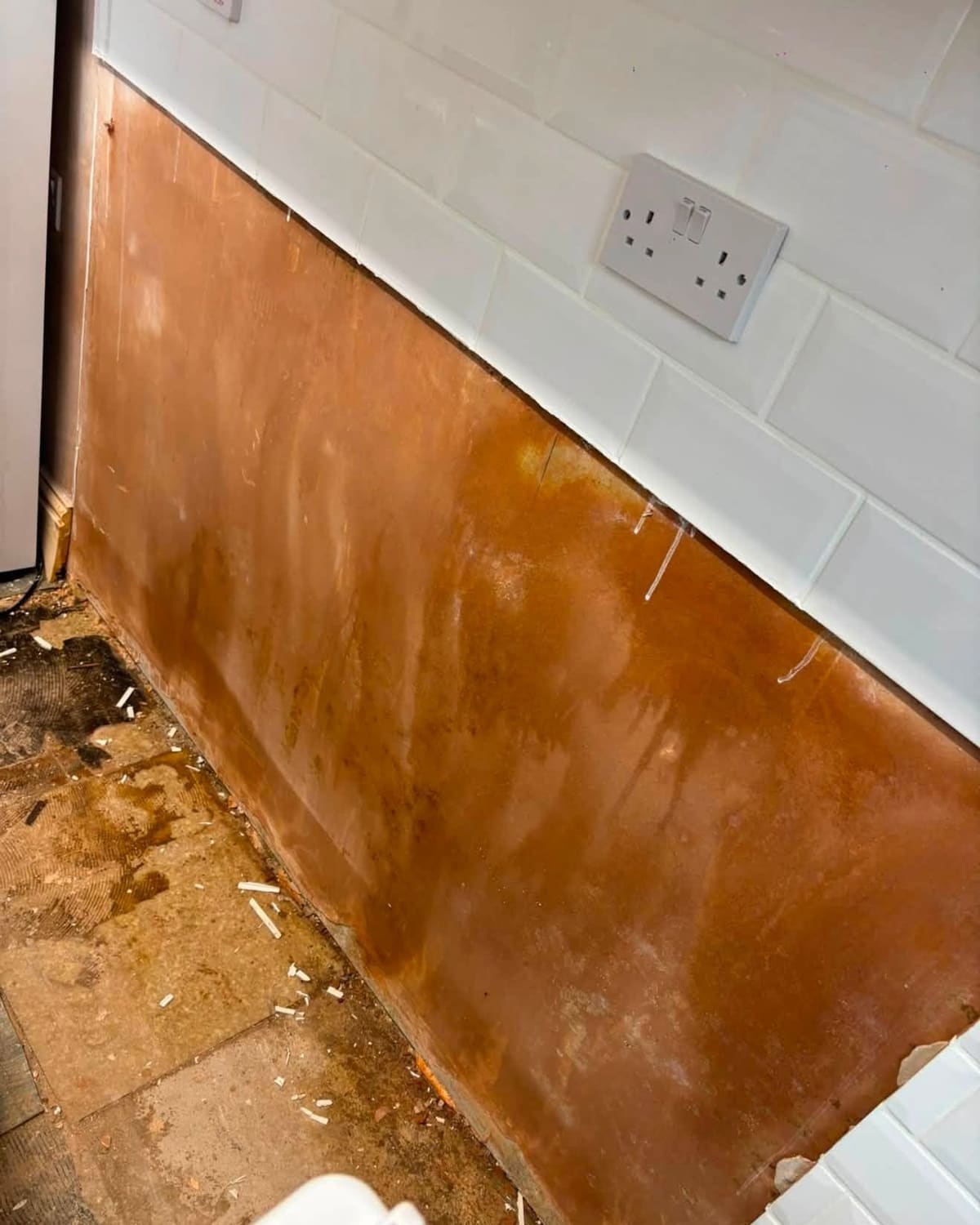
Damp does not fix itself, and it does not stay small. A tide mark above the skirting becomes crumbling plaster, then rotten timber, then a bill for a lot more than a damp course. We treat the cause, dry the wall out and put it back properly so you can decorate and forget about it.
What we treat
Rising damp is ground moisture drawn up through the brickwork when the damp-proof course has failed, been bridged by a raised path or render, or was never there. It leaves a horizontal tide mark, salty deposits and plaster that sounds hollow when you tap it.
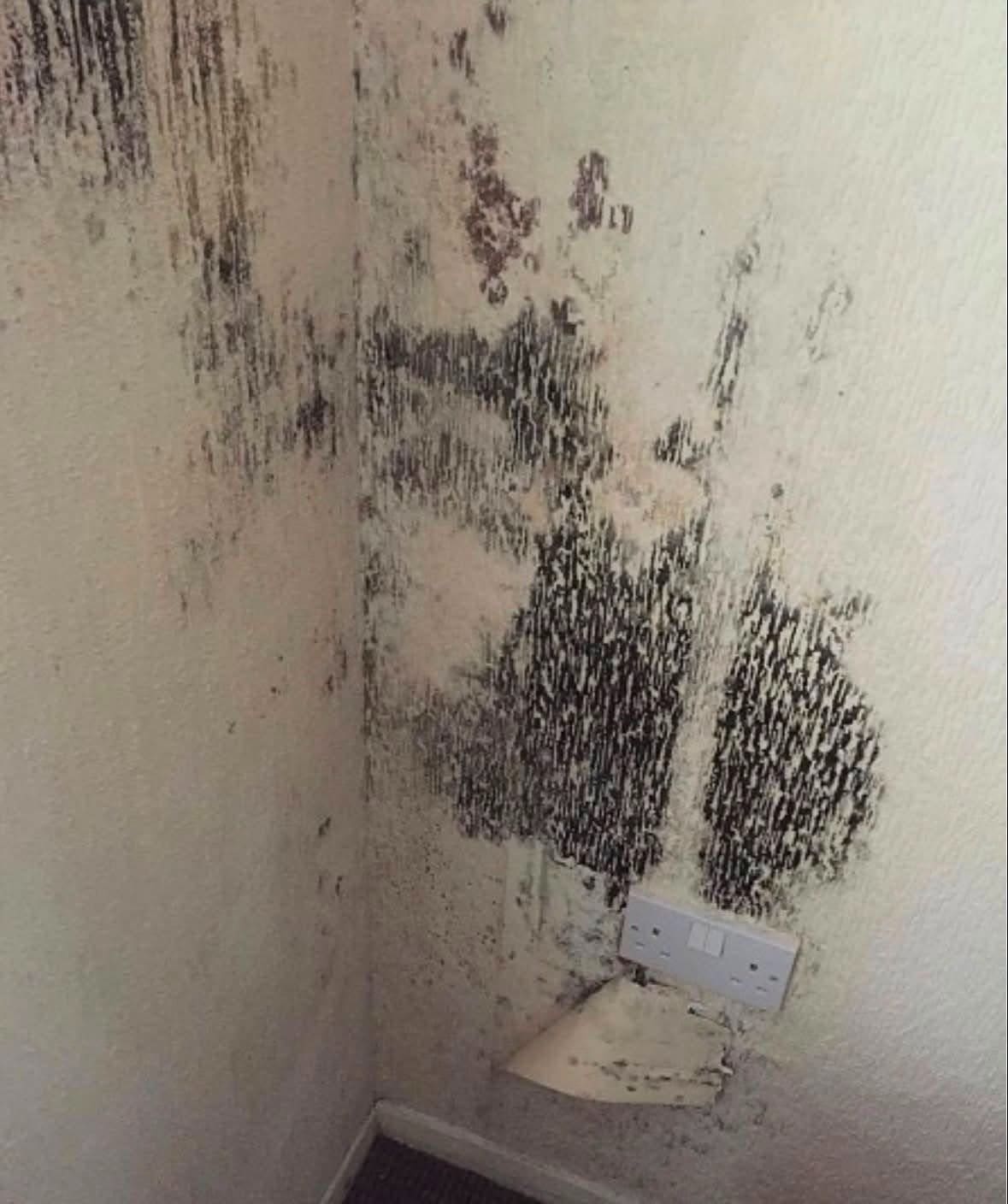
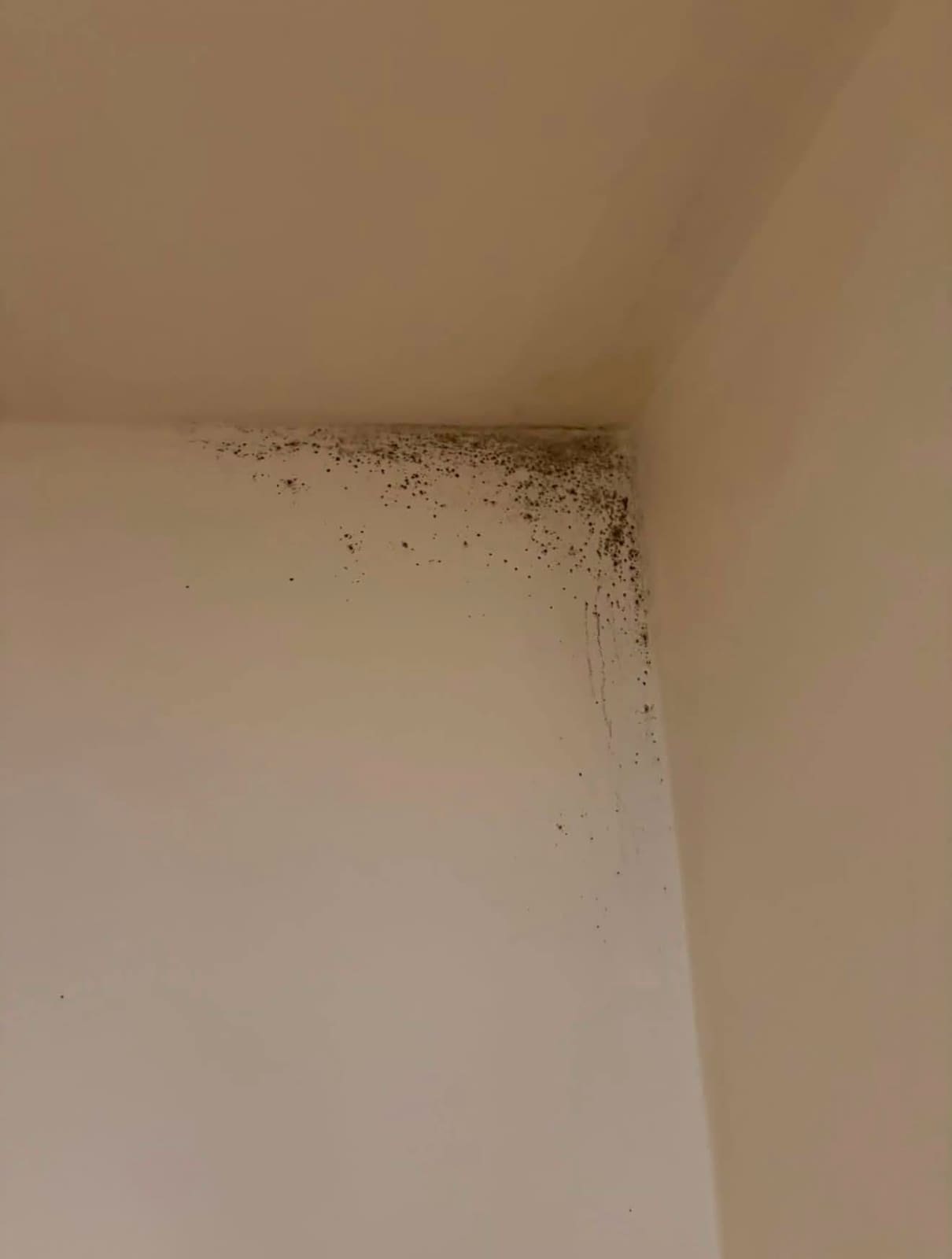
Penetrating damp comes in from outside: cracked render, failed pointing, a leaking gutter or a bridged cavity. It shows as patches that get worse after rain, often high up or around windows.
Failed or bridged damp-proof courses in older Teesside terraces and semis are the most common thing we see. Sometimes the fix is simple, like lowering an outside path. Sometimes it needs a new chemical damp-proof course. The survey tells us which.
How we do it
- Survey. We check moisture levels, look at the outside of the house and work out where the water is actually coming from.
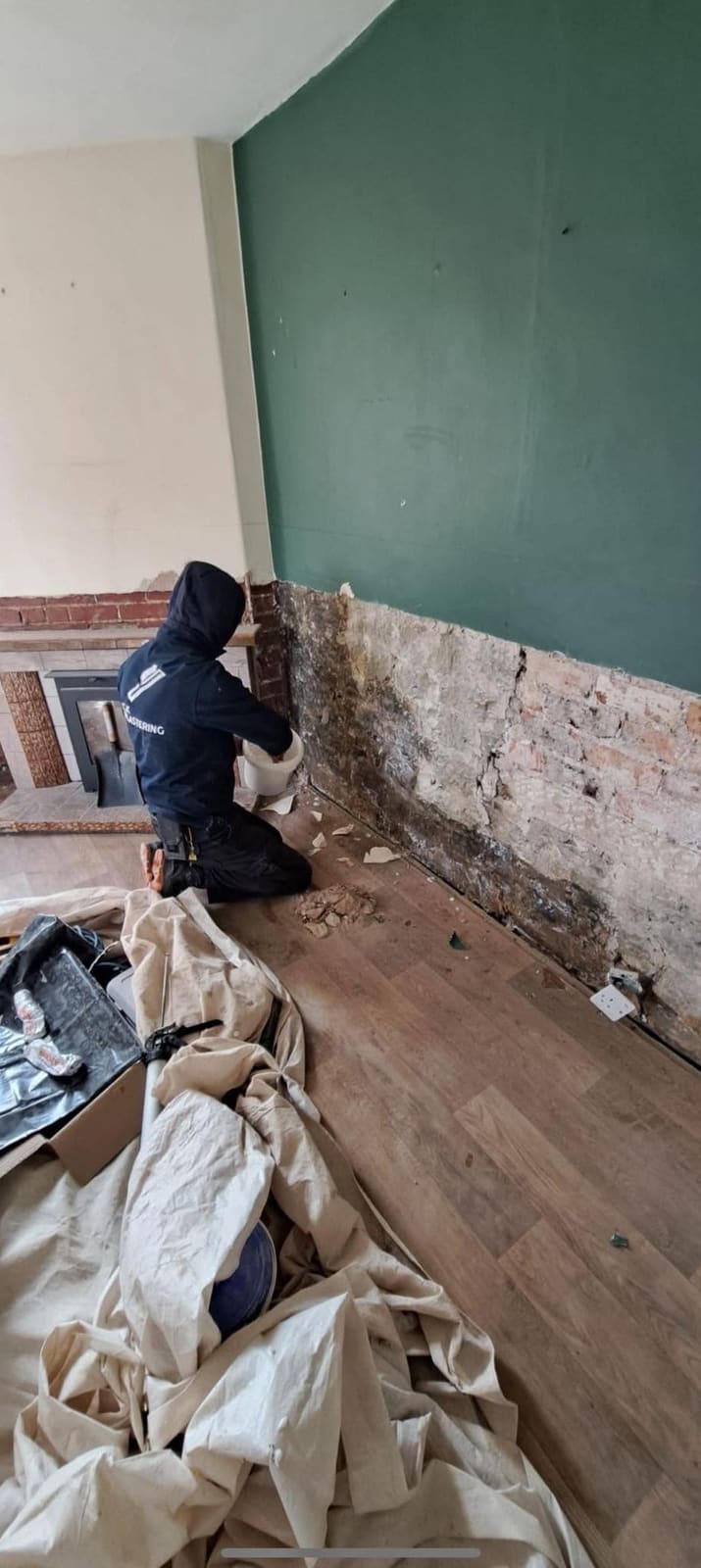
- Strip back. Damp-affected plaster is hacked off to a sensible height so the salts it holds cannot ruin the new finish.
- Treat. A new damp-proof course is injected where one is needed, or the external cause is fixed.
- Render and re-plaster. A waterproof render coat, then a skim finish that matches the rest of the room.
- Dry and decorate. We tell you how long to leave it and what paint to use so the wall can breathe.
Why homeowners choose us
Most damp companies sub-contract the plastering. We are the plasterers, so the finish is part of the job rather than someone else's problem. You get a written quote after the free survey, no pressure and no sales pitch, and the same person you spoke to on the phone turns up to do the work.